
How Structured Art Education Helps Young Artists Thrive: Anusha’s Creative Journey

Every young artist begins somewhere — often with a simple love for drawing, doodling, or creating things from imagination. What transforms that early interest into confidence and skill is the right combination of guidance, encouragement, and opportunities to grow.
For Anusha, art started as a natural way to express creativity and bring ideas to life. Like many young artists, she loved creating from an early age, but wanted to explore beyond basic drawing and challenge herself with new techniques and mediums.
Today, her journey reflects how structured art education can help students build not only artistic skills, but confidence, discipline, and creative independence.
Discovering Creativity Through Exploration
One of the most important parts of artistic growth is experimentation.
Since beginning formal training, Anusha has explored multiple mediums including:
Graphite drawing
Colored pencil techniques
Shading and shadow work
Perspective studies
Observation drawing
Creative composition exercises
Exploring different mediums allows students to understand that art is not about copying—it is about discovering individual creative voices.
Why Structure Matters in Art Education
Parents often wonder whether art classes should focus on creativity or technical skill.
The truth is: students need both.
A strong art program creates balance by helping students:
• Learn foundational skills• Develop discipline and consistency• Practice observation and critical thinking• Build creative confidence• Create increasingly advanced artwork
When students receive structured instruction alongside creative freedom, growth becomes much more visible.
Building More Than Artistic Skills
Art education impacts much more than drawing ability.
As students practice regularly, they naturally develop:
Patience and focus
Problem-solving abilities
Confidence in expressing ideas
Resilience when facing challenges
Pride in completing long-term projects
These are life skills that extend beyond the studio.
A Supportive Environment Creates Growth
Young artists thrive when they feel comfortable experimenting without fear of mistakes.
A positive learning environment encourages students to:
Try unfamiliar techniques
Ask questions confidently
Take creative risks
Develop their own artistic style
When students feel supported, improvement happens naturally.
Every Class Is a New Adventure
One of the most rewarding parts of artistic growth is seeing students look forward to learning.
For many children, art becomes more than an activity; it becomes a place where imagination, curiosity, and confidence come together.
Anusha’s journey reminds us that artistic success is not created overnight.
It is built one sketch, one technique, one challenge, and one creative breakthrough at a time.
And that is where real growth begins.
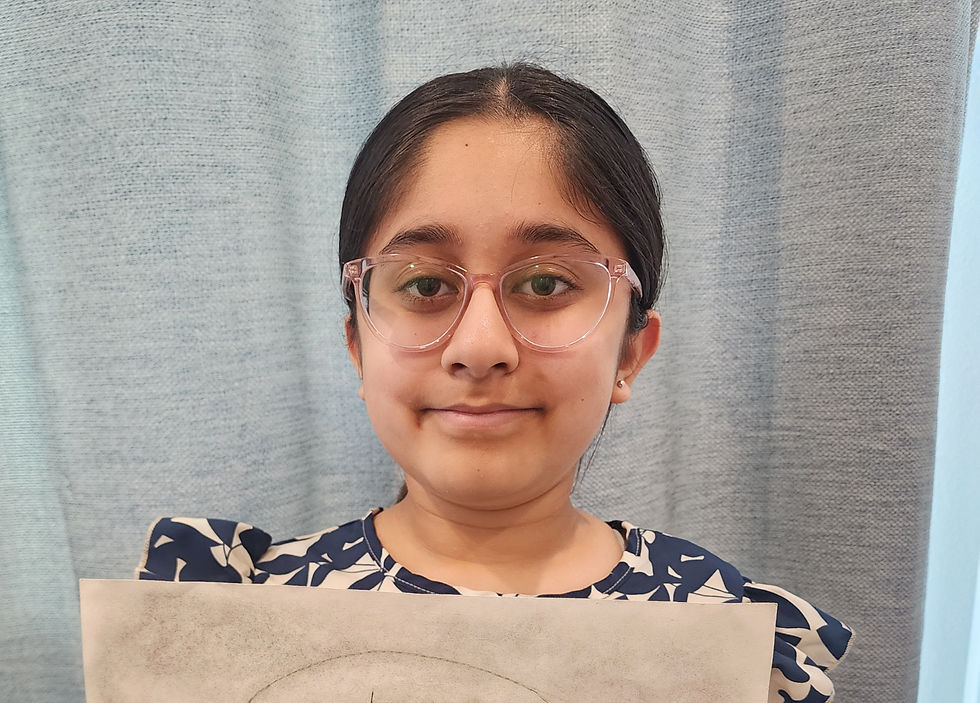
ARTIST OF THE MONTH - Anusha Dhavalikar
"Looking for ways to continue creative growth?
Summer programs and specialized workshops provide opportunities for students to explore new mediums, build portfolios, and strengthen artistic confidence."
Not sure which package is right for your child? Every child’s art journey is different.
Book a FREE one-on-one consultation with Ms. Nisha Shah to understand:
🎨 Which package fits your child best
🏆 Portfolio & competition readiness
🎓 College admissions preparation
✨ Long-term artistic growth
Message us today to reserve your spot
Book a free art pathway consultation.
Call +1 972 352 1279
WhatsApp +1 972 333 0369

Comments